ED Wait Time Study
Informing Patient-Centered Design
June 2024 | UC San Diego Health
The Challenge
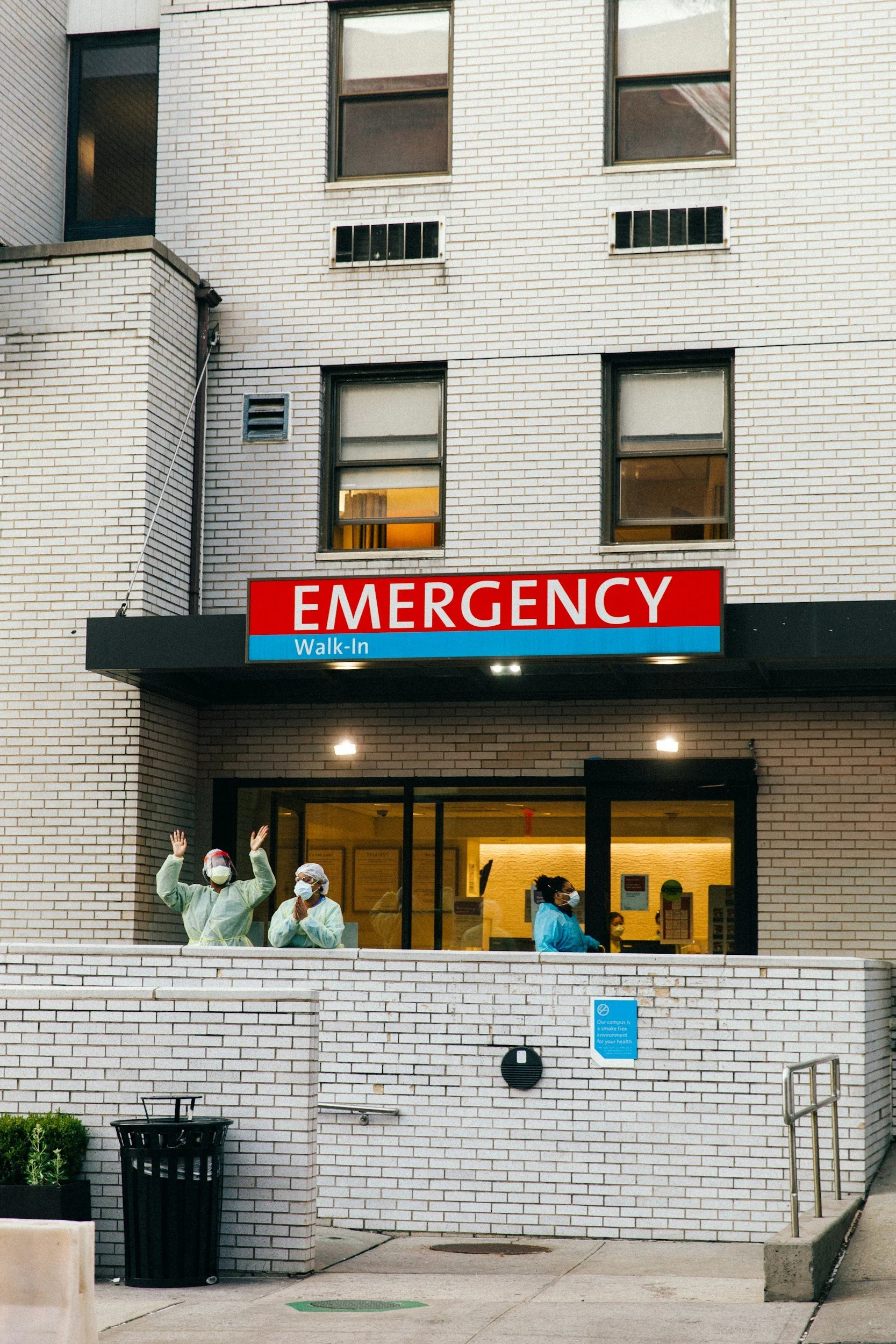
When healthcare systems implement wait time displays, how do we balance transparency with accuracy? Our Digital Experience team needed to understand current practices, user expectations, and potential pitfalls before launching wait times on health.ucsd.edu. The central question: could we provide accurate, helpful wait time information that improves patient satisfaction without creating unrealistic expectations or operational challenges?
Business Objectives
Evaluate competitor approaches to understand industry standards for displaying emergency and urgent care wait times
Identify user expectations and needs around wait time information in healthcare settings
Assess accuracy challenges in high-volume emergency departments to inform implementation strategy
Uncover innovative opportunities for improving the overall wait experience beyond simple time displays
Provide evidence-based recommendations for wait time implementation on the UCSD Health website
My Role & Responsibilities
As Lead Researcher, I conducted comprehensive competitor analysis across six major healthcare organizations, researched evidence-based standards for emergency department wait times in California, analyzed user needs and pain points, documented accuracy concerns in high-volume facilities, identified innovative wait management opportunities from healthcare and adjacent industries, and synthesized findings into actionable recommendations for the Digital Experience team.
This research directly supported strategic decisions about navigation placement, content strategy, and implementation approach for wait time displays across the UCSD Health digital ecosystem.
-
Study Type: Secondary Research & Competitive Analysis
Organizations Analyzed: 6 healthcare systems (Riverside Community Hospital, Rady Children's Hospital, Scripps, Ballad Health, Kaiser Permanente, Veterans Affairs)
Additional Context: Department of Homeland Security and Google Maps implementationsResearch Activities:
Detailed navigation path analysis documenting homepage placement, menu architecture, and accessibility patterns
Desktop and mobile interface evaluation across all competitors
Literature review of California ED wait times and patient satisfaction research
Industry standard documentation from published studies (2003-2024 timeframe)
Cross-industry wait management analysis (theme parks, restaurants, border crossings)
Key Research Questions:
How useful are wait times on websites to patients making care decisions?
Do online wait times typically match actual in-person wait experiences?
How can we estimate accurate "door to doc" time with available data?
What strategies can mitigate user frustration with wait time displays?
-
User Needs Are Clear: California patients urgently need wait time information. Emergency department closures have increased 3.8% while the population grew 4.2%, creating dramatically longer wait times across the state. Patients who can see providers quickly are less likely to leave without proper care.
Wait Times Directly Impact Health Outcomes: Research demonstrates that wait times are not merely convenience features but critical components of patient satisfaction that lead to improved health outcomes, reduced mortality through behavior changes, and better treatment adherence.
Accuracy Varies by Volume: Wait time accuracy decreases significantly in facilities serving over 5,000 patients monthly compared to those serving under 2,000 patients monthly, likely due to flow confounders and capacity constraints.
Standard Wait Times Range Widely: Published studies show California ED wait times averaging 56 minutes (2023 study) to 210 minutes total time (2015 study), with 42% of patients waiting over 60 minutes.
Navigation Patterns Emerged: Top-performing competitors featured wait times in primary navigation with prominent homepage placement. Additional footer links provided secondary access points. Most included detailed disclaimers explaining calculation methods and variability factors.
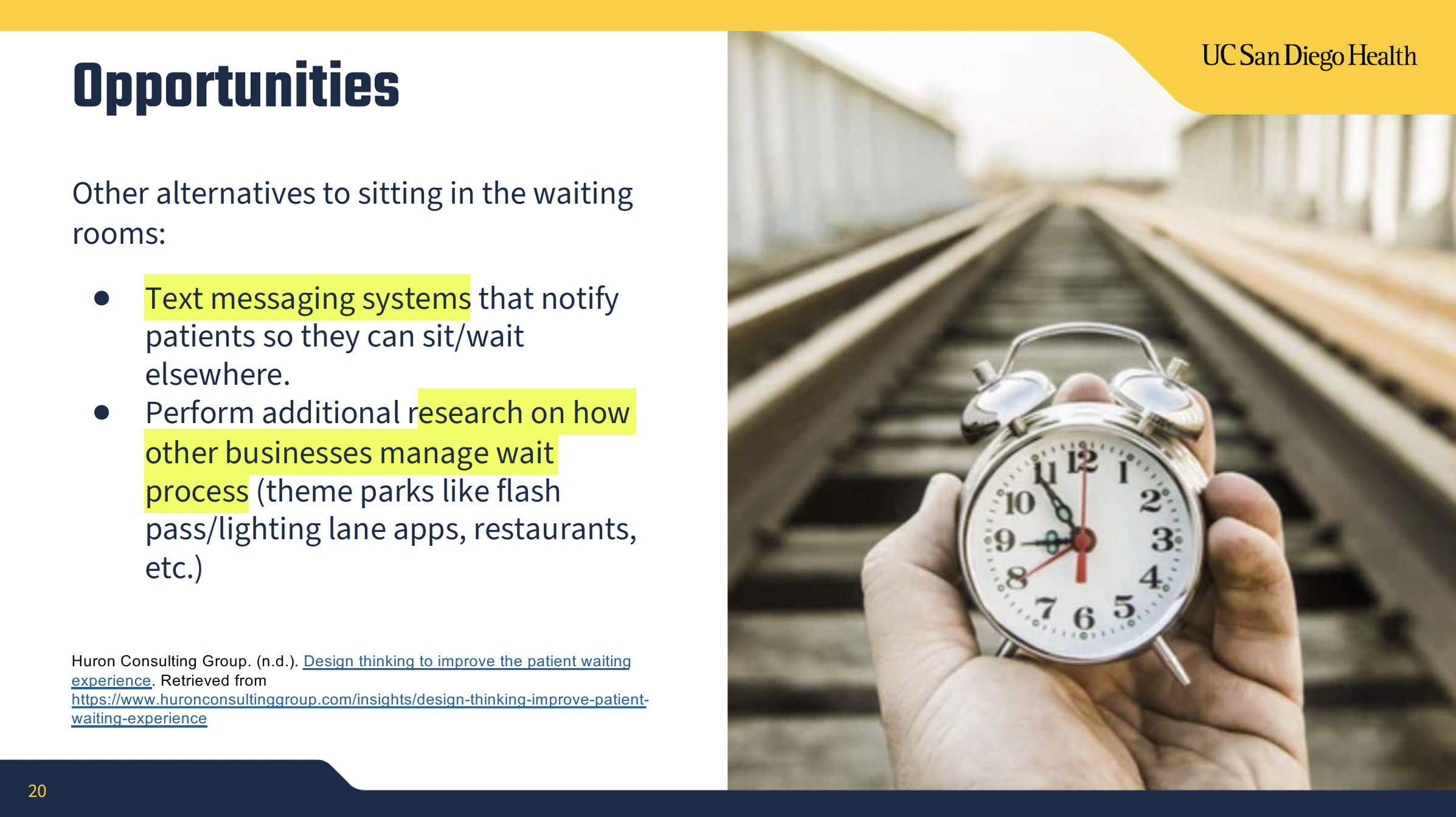
Alternative Solutions Exist: Beyond simple time displays, opportunities include text notification systems allowing patients to wait elsewhere, and adaptations from other industries' virtual queue management approaches.
-
Strategic Direction Established:
Provided evidence-based foundation for wait time implementation decisions
Documented industry best practices across navigation, content, and transparency approaches
Implementation Guidance:
Recommended prominent navigation placement based on competitor success patterns
Outlined necessary disclaimer language addressing accuracy limitations
Future Opportunities Identified:
Documented text notification systems as enhancement for patient experience
Proposed research into cross-industry wait management innovations
What I Learned
Context shapes everything in healthcare UX: I initially approached this as a straightforward navigation and display problem. The research revealed that wait times carry enormous emotional weight for patients in stressful situations. This context demands extra attention to accuracy, transparency, and managing expectations—elements that pure design analysis wouldn't capture.
Transparency builds trust even when news isn't good: Competitors with the most comprehensive disclaimer language and calculation explanations appeared more trustworthy than those displaying only numbers. Users appreciate understanding limitations, even if it means acknowledging imperfect data.
Volume directly impacts viability: The finding that accuracy degrades significantly in facilities over 5,000 monthly patients fundamentally changed implementation recommendations. Not every feature works equally well across all contexts, and research helps identify those boundaries before problems occur.
Cross-industry insights unlock innovation: Examining wait management in theme parks, restaurants, and border crossings revealed possibilities beyond traditional healthcare approaches. The best solutions often come from looking beyond your immediate industry.
Secondary research can drive major decisions: This desk research study—conducted without primary user interviews or usability testing—directly influenced strategic decisions about a feature affecting thousands of patients. Sometimes synthesizing existing information thoughtfully creates more value than generating new data.
Why This Project Matters
Emergency care represents healthcare at its most stressful. Patients facing urgent medical needs deserve clear, accurate information that helps them make informed decisions about where to seek care. This research established the foundation for implementing wait time displays that respect both patient needs and operational realities. By documenting competitor approaches, identifying accuracy limitations, and proposing innovative enhancements, this work helped ensure that UCSD Health's wait time implementation would serve patients effectively while maintaining realistic expectations.
Research Methods: Competitive analysis • Navigation analysis • Literature review • Cross-industry research • Evidence synthesis
Skills Applied: Secondary research • Healthcare UX • Information architecture • Content strategy • Stakeholder communication • Cross-industry analysis