Apex Site Services
From Party Rentals to National Infrastructure
Web Design | Emergency Infrastructure | 2025
The Challenge
Apex Site Services transformed dramatically during COVID-19—from a local North Texas party rental company to a nationwide provider of critical temporary infrastructure. They built drive-thru testing facilities, temporary hospitals, monkeypox treatment centers, military housing, and emergency relief facilities. However, their website told none of this story, creating a credibility gap that undermined their ability to compete for high-stakes government and enterprise contracts.
The Problem
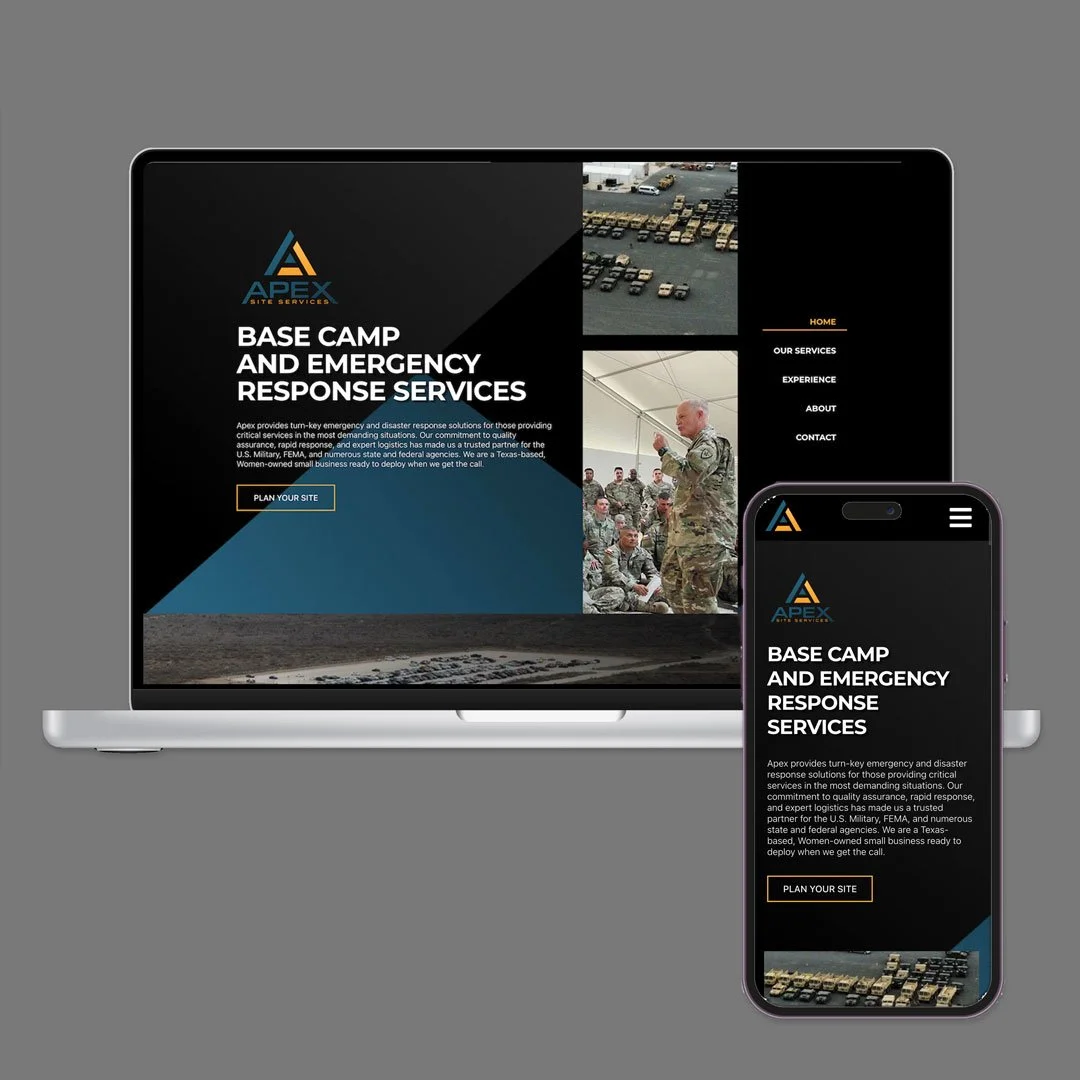
The existing site failed to communicate the scale, professionalism, and mission-critical nature of Apex's current work. Government procurement officers, healthcare administrators, and emergency management directors evaluating vendors for urgent infrastructure needs should quickly understand what Apex does, why they're qualified, andhow to contact them. They needed to portray their evolved identity as innovative problem-solvers for the nation's toughest infrastructure challenges.
Business Objectives
Establish immediate credibility with government agencies, healthcare systems, and enterprise clients
Communicate transformation from local rentals to national emergency infrastructure provider
Demonstrate capabilities across diverse project types without overwhelming visitors
Position Apex as the premier choice for complex, urgent temporary infrastructure needs
My Role
As lead designer at 1558 Brand Agency, I conducted strategic research into government procurement decision-making, created wireframes and visual designs in Figma, and collaborated with the project manager and developer to ensure the design communicated both innovation and trustworthiness.
Video Previewing the Apex Website
-
Analysis of emergency infrastructure and government contracting websites revealed that credibility comes from professional project photography, specific project details, prominently featured certifications, visible leadership expertise, and clear problem-solving case studies. Most competitors had outdated, poorly designed websites—creating an opportunity for Apex to differentiate through cutting-edge digital presence.
-
Core Concept: Create a digital experience that feels simultaneously cutting-edge and trustworthy—communicating innovation without sacrificing the gravitas required for mission-critical work.
Visual Approach:
Clean, organized architecture allowing quick capability assessment
Professional polish through high-quality photography, refined typography, and sophisticated color palette
Modern design patterns signaling innovation and forward-thinking
Service-based navigation organizing complexity into clear, self-selectable categories
-
The redesign successfully repositioned Apex in the market by providing immediate credibility through professional presentation, clear value communication allowing quick capability assessment, and a scalable foundation accommodating continued growth. The website now accurately reflects Apex's transformed identity as innovative, mission-driven infrastructure providers capable of handling the nation's toughest challenges.
-
Design must match business reality, not history. Apex's dramatic transformation required bold visual reinvention rather than incremental evolution—the design needed to reflect who they are now, not where they came from.
Credibility is designed through details. In high-stakes procurement contexts, typography, spacing, image quality, and content organization aren't aesthetic preferences—they're trust-building mechanisms that signal competence or raise concerns.
Video preview of Apex website on mobile device
Why This Project Matters
Emergency infrastructure providers operate in life-or-death contexts where vendor selection impacts public safety and crisis response effectiveness. When government agencies and healthcare systems evaluate potential partners, unprofessional websites eliminate vendors from consideration before conversations begin. This redesign transformed Apex's digital presence from a liability into a competitive advantage—positioning them as serious, capable partners worthy of handling the nation's most critical temporary infrastructure needs.
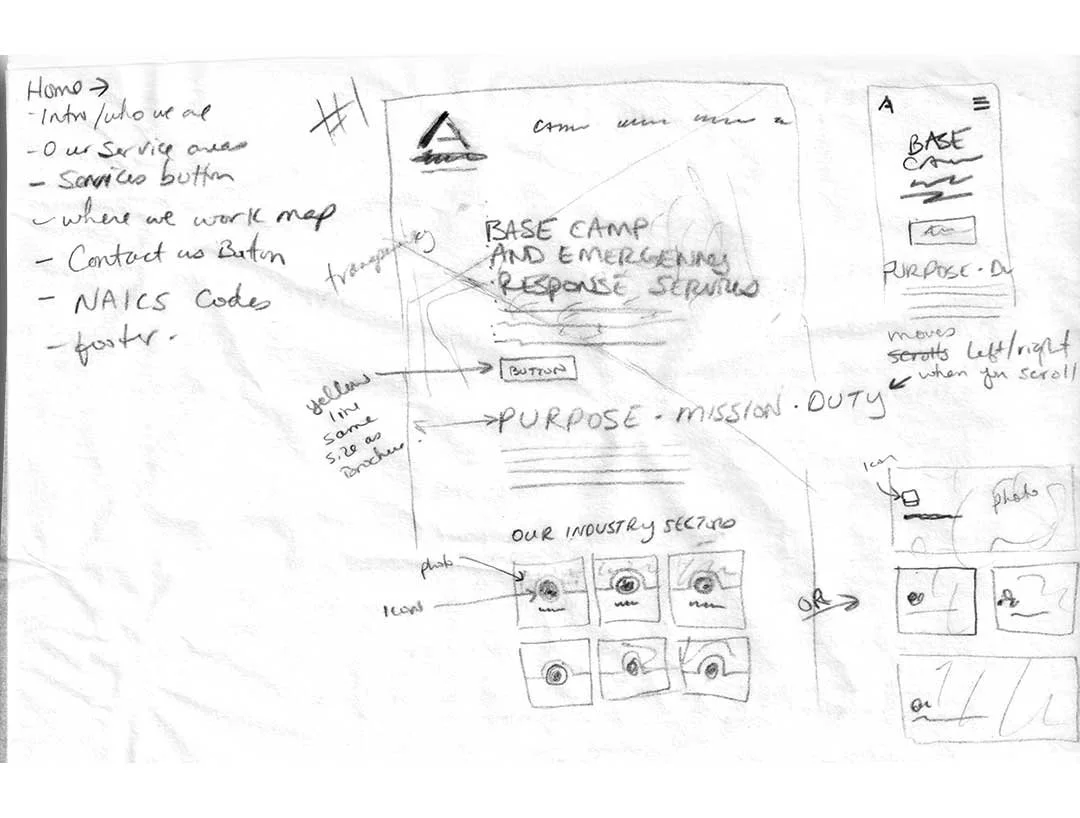
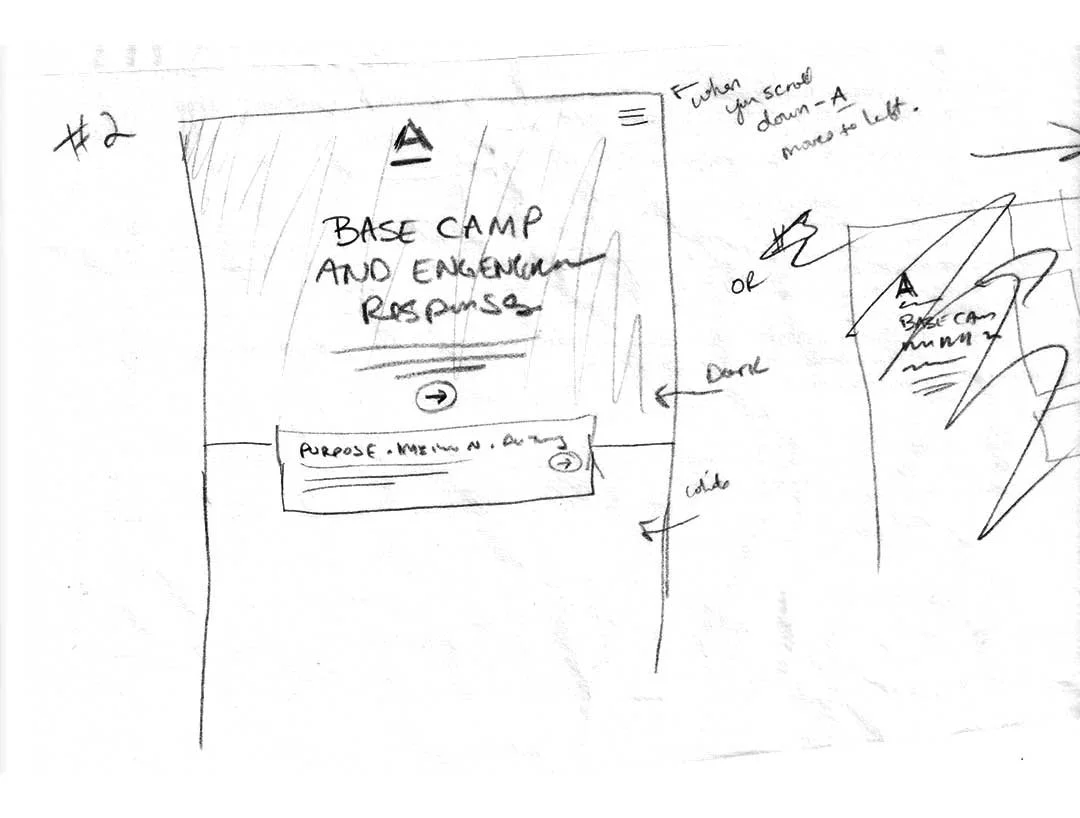
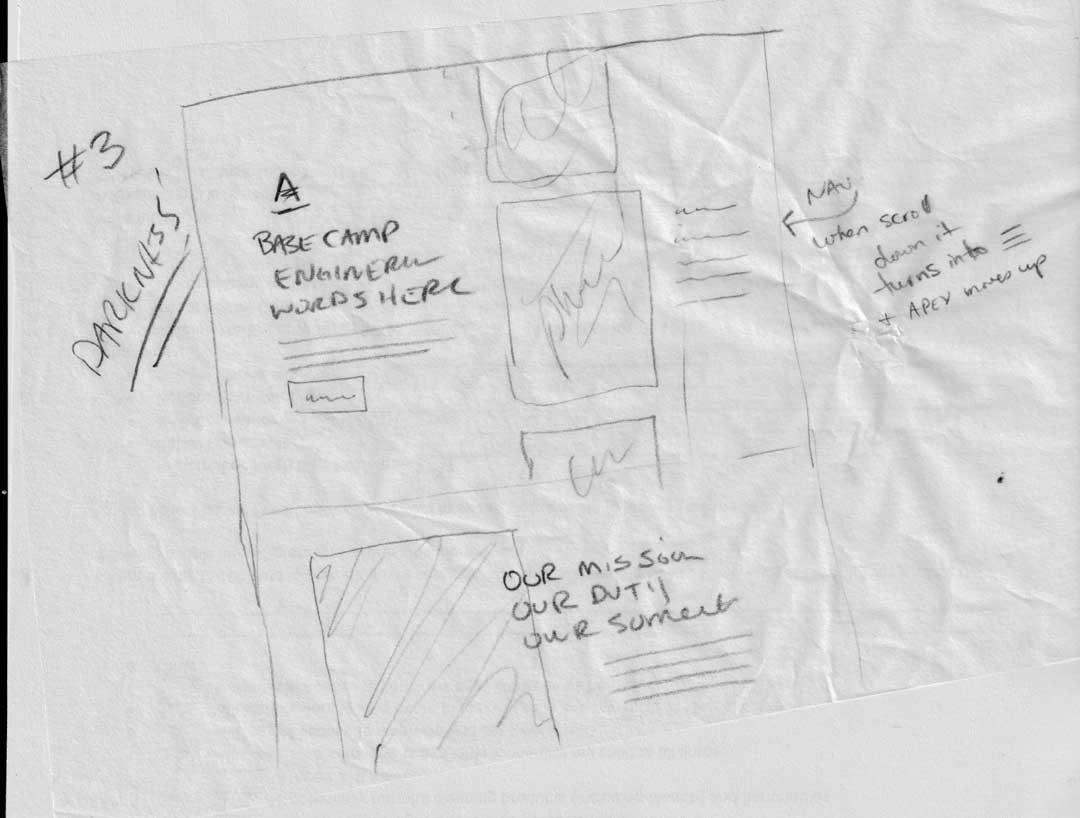
Methods Used: Competitive analysis • Wireframing
Skills Applied: Strategic design thinking • Visual design • UX architecture • Figma • Complex service organization • Trust-building design • Government/enterprise audience understanding